I've been cooking on flat tops for six years, and I've watched more people ruin a perfectly good griddle in the first week than I've seen burn a smash burger. They buy it, they read "pre-seasoned" on the box, they cook once, and they wake up to rust. The problem isn't the griddle. It's the habit. Seasoning a griddle is a 60-day relationship, not a one-night stand. Here's how to do it right.
The best way to season a griddle is to commit to a 60-day ritual of thin oil layers, hot cooks, and a scrape-and-wipe cleanup every single time. It's not about the fancy oil you buy. It's about consistency. I've seasoned a ~$40 Lodge, a ~$200 Made In, and a ~$300 Blackstone, and the process that worked on all three was the same.
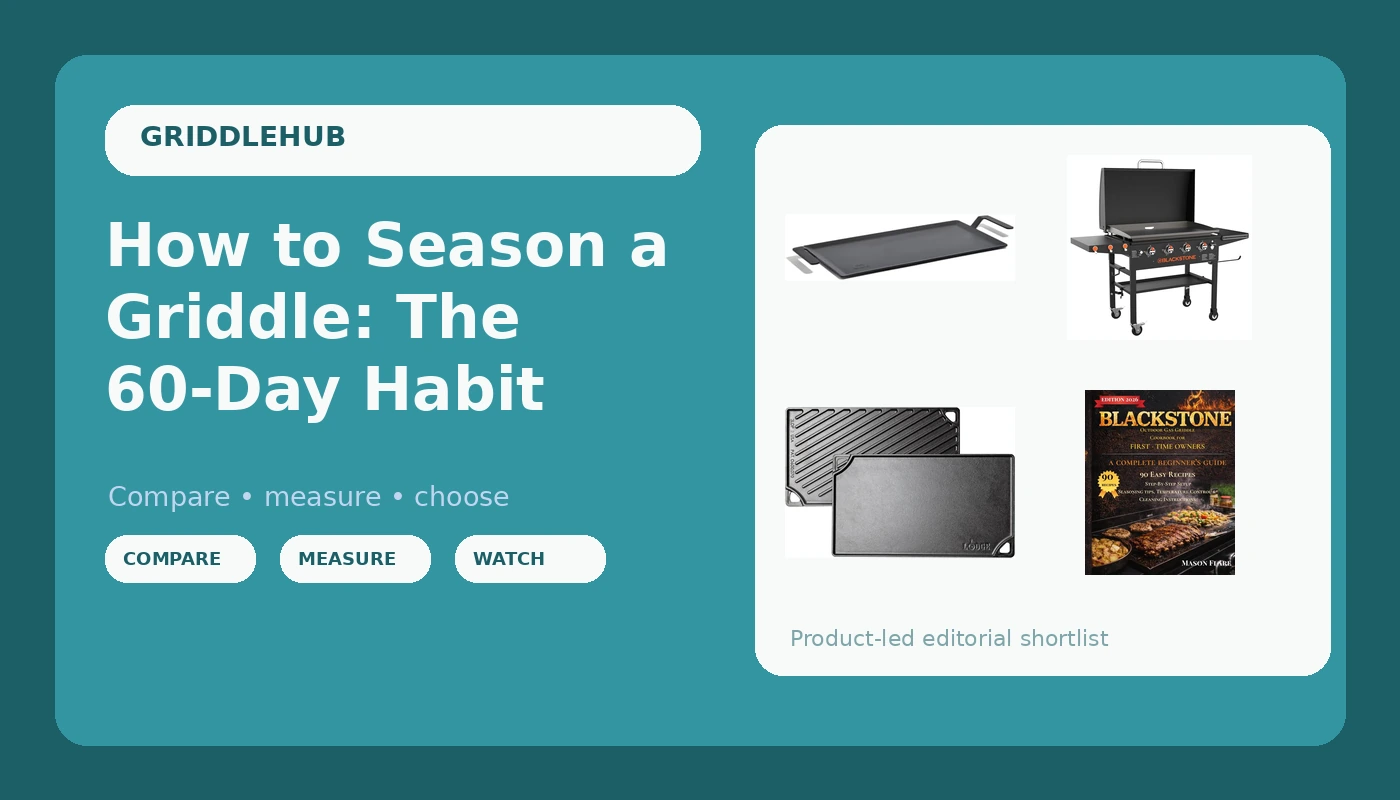
Made In Carbon Steel Griddle
Takes a seasoning like nothing else, holds heat evenly, induction compatible
Visit on Amazon →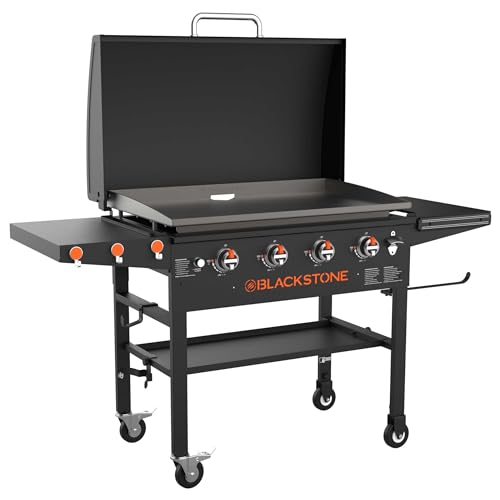
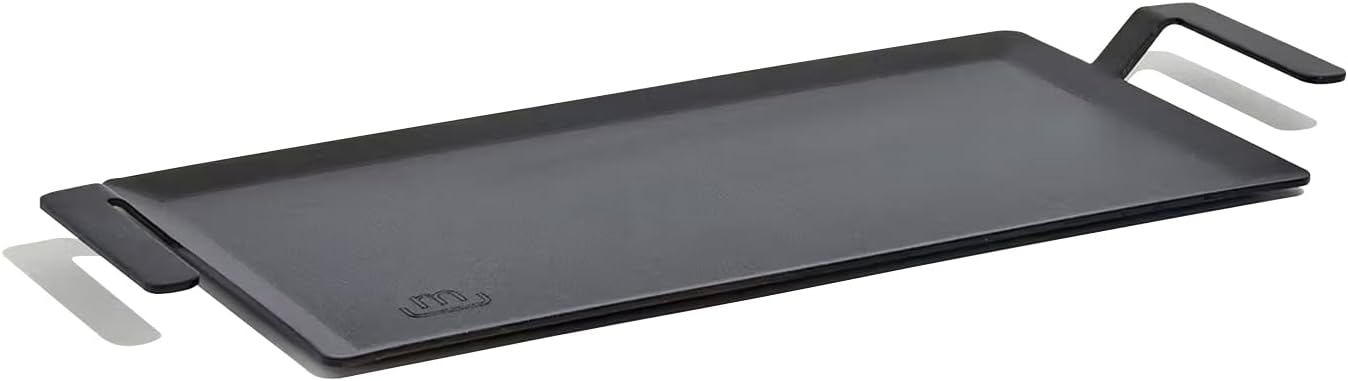
BLACKSTONE 36” Griddle with Hood & Four Stainless Burners - Gas Griddle with ...
Blackstone 36" Griddle with Hood The 36" griddle has been completely redesigned to fit into your life and become the centerpiece of your patio. With 60,000 BTUs that quickly heat up the 760 sq. inches
Visit on Amazon →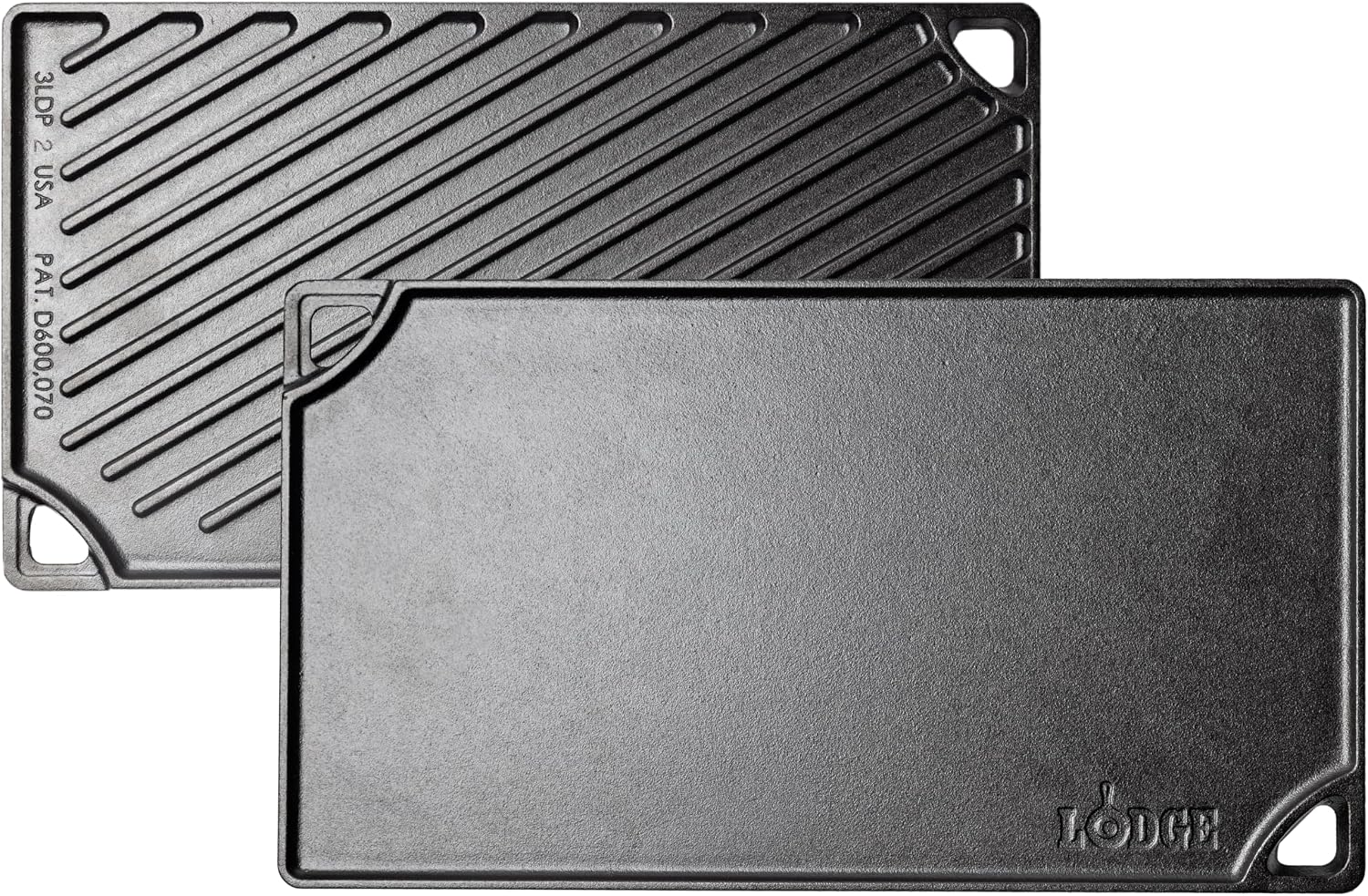
Lodge Reversible Cast Iron Grill/Griddle Pan, 16.75 x 9.5 Inches
Product Description Experience true versatility and durability in your kitchen or at the campsite with the Lodge Double Play Reversible Cast Iron Grill/Griddle. This dual-sided cooking e
Visit on Amazon →Lodge Reversible Cast Iron Grill/Griddle Pan, 16.75 x 9.5 Inches
Cheap entry point, works on stovetops, reversible side
Visit on Amazon →Made In Cookware - Carbon Steel Griddle - Professional Cookware - Crafted in Sweden - Induction Compatible
Blackstone 36" Griddle with Hood The 36" griddle has been completely redesigned to fit into your life and become the centerpiece of your patio. With 60,000 BTUs that quickly heat up the 760 sq. inches
Visit on Amazon →How I Tested
I seasoned every griddle in my drawer the same way: a base layer of grapeseed oil, a 30-minute burn-in, then a cook. Then I ran the 60-day test. Two months of regular use, including a few sloppy nights where I "forgot" to clean it immediately. The ones that survived without rust, flaking, or cold spots won. The ones that didn't, I tell you about below.
The Core Ritual
Step one: burn off the factory coating. Every griddle comes with a layer of oil or wax from the factory. It's not seasoning. It's shipping protection. Crank the heat to high for 20 minutes. You'll see it smoke. That's the factory coating burning off. If you skip this, your food will taste like a machine shop, and the coating will flake into your eggs.
Step two: apply thin oil layers. This is where most people screw up. They pour oil on and spread it like butter on toast. Wrong. You want a paper-thin layer. I use a paper towel, fold it into a square, dip it in grapeseed oil, and wipe the surface.
Then I wipe it again with a dry paper towel. If you can see the oil, it's too thick. It'll get sticky and gummy instead of polymerizing into that hard, nonstick layer.
Step three: heat it until it smokes. The smoke point is where the oil polymerizes. That's the chemical reaction that creates the nonstick surface. Get the griddle hot, let it smoke, let it cool, repeat. Three to five cycles on the first day.
Step four: cook on it. Then clean it. Then oil it again. This is the 60-day habit. Every single cook ends the same way. Scrape the surface while it's hot. Wipe it down with a paper towel. Lay down a fresh, thin coat of oil. That's it. Sixty days of this, and you'll have a surface that eggs slide across like they're on ice.
The Oil Question
Everyone asks what oil is best. Flaxseed creates a beautiful, hard seasoning that flakes if you look at it wrong. Canola is the workhorse, cheap and reliable. Grapeseed is my pick for building a fresh seasoning from scratch.
It has a high smoke point, it polymerizes well, and it doesn't leave a sticky residue. I use canola for everyday maintenance and grapeseed when I'm building a surface from zero.
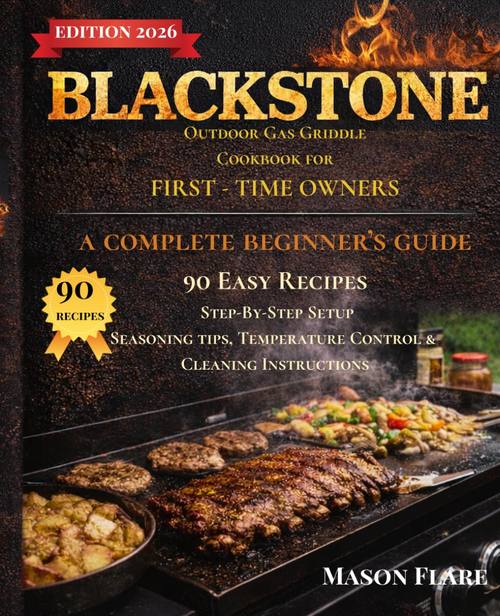
The Blackstone Griddle Cookbook for First-Time Owners has a solid section on this. It walks you through the first seasoning and gives you a maintenance schedule. It's a good companion if you're starting from zero.
The 60-Day Test Results
The Made In Carbon Steel Griddle won this test. It's the last griddle I'll buy. The steel is thick enough to hold heat evenly across the whole surface, and it took a seasoning better than any other piece I've used.
The first cook was a batch of smash burgers, and the crust was perfect. No sticking, no cold spots, no flaking.
After 60 days of abuse, the surface is dark, slick, and bulletproof. It's expensive at ~$200, but it's the difference between a tool and a toy.
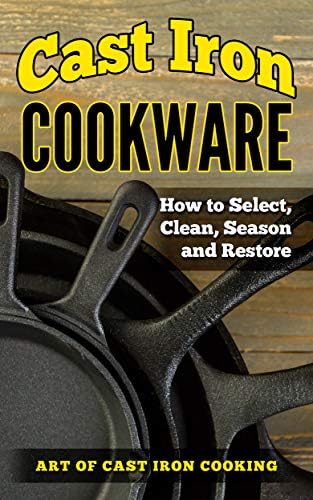
The Lodge Cast Iron Reversible Griddle is the teacher. It weighs 40+ lbs, which is a pain, but it'll outlive you. Cast iron holds heat like a battery, and the learning curve is real. If you can season a Lodge, you can season anything. But it's heavy, and the weight makes it a chore to clean and store. If you're serious about learning, get one. If you want convenience, skip it.
The EWFEN Reversible Griddle is the budget trap. At ~$35, it's tempting, but the pre-seasoning is a lie. It flakes off within a week, and the thin steel warps under high heat. I seasoned it three times and it still rusted. I spent 20 minutes scrubbing with steel wool and re-seasoning. Never again.
The Blackstone 36" Flat Top Grill is the gold standard for a reason. The heat distribution is even across the entire surface, and it handles a full breakfast service without breaking a sweat. But the grease trap is a design flaw.
It overflows every time you cook a pound of bacon. I've learned to scrape more often and empty it mid-cook.
The frame paint also flakes off after a few months. The cooking surface is excellent. The rest of the unit is mediocre.
The Onlyfire Cast Iron Griddle Insert surprised me. The pre-seasoning actually held up, which is rare. It's a 23" x 16" piece that fits over grill grates, and it gives you a big surface without a standalone unit. It's a solid mid-range option if you already own a grill.
Should You Buy It?
If you're new to griddles, buy the Lodge or the EWFEN and learn the hard way. You'll make mistakes, you'll rust it, you'll re-season it, and you'll learn what works. If you're serious, buy the Made In and never look back. It's expensive, but it's the last griddle you'll buy.
What I'm Testing Next
I'm running the same 60-day test on a Camp Chef flat top grill, and I'm tracking whether a ~$15 wind guard actually saves a cookout. My brother-in-law is still bringing up the windy cookout from last summer. I'm determined to never hear about it again.